How PWS Affects the Extremities
Children with PWS often exhibit hypotonia, joint laxity, and delayed motor milestones, which
can lead to orthopedic problems involving the hips, knees, and feet. Common findings include:
- Flat feet (pes planovalgus) from ligamentous laxity.
- Genu valgum (knock-knees) due to malalignment.
- Hip dysplasia or instability, occasionally requiring reconstruction.
- Reduced muscle strength, which affects gait and endurance.
As children grow, obesity and altered biomechanics can compound these issues, making early
orthopedic evaluation essential.
Gait and Mobility Concerns
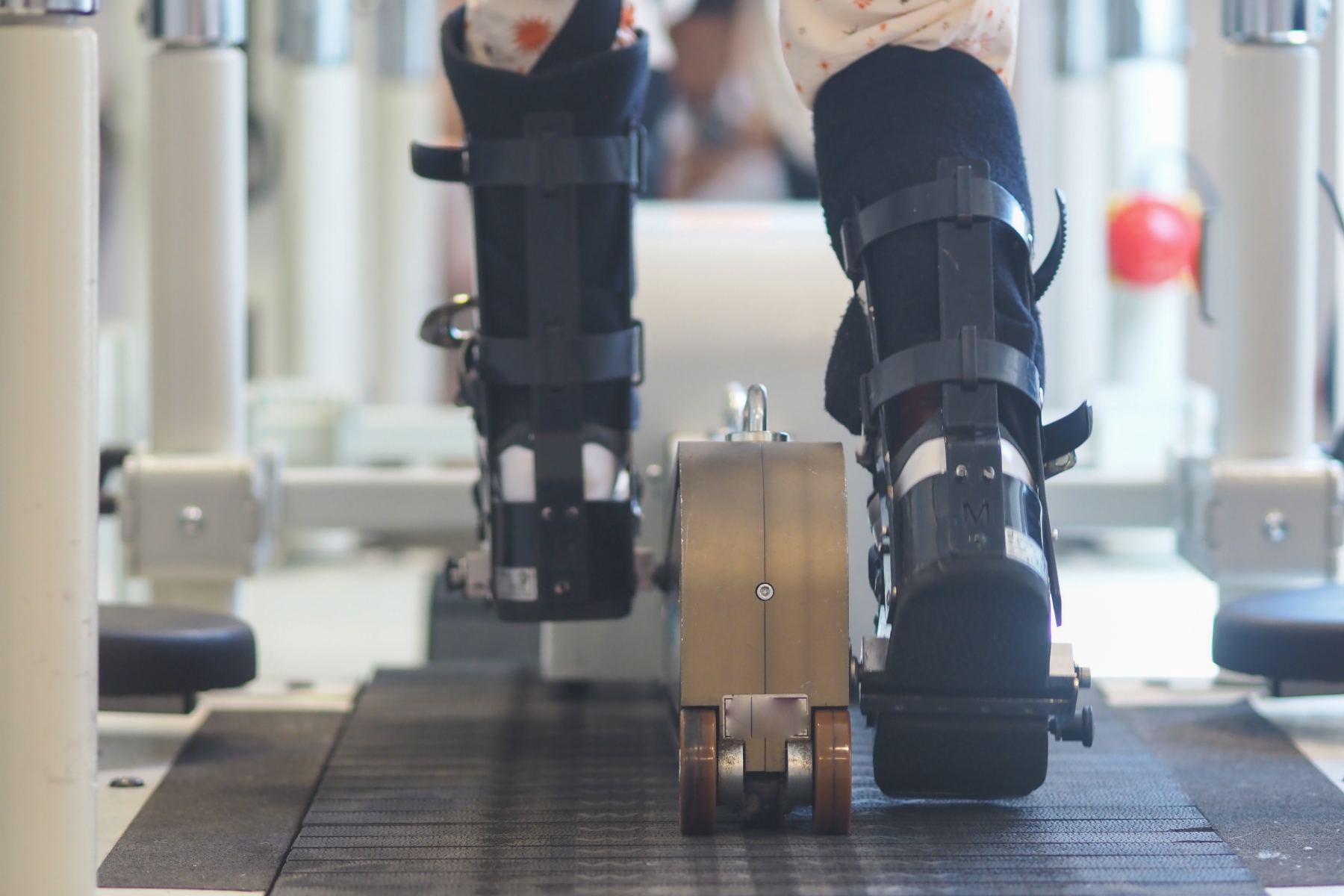
Dr. Hariharan emphasizes that gait abnormalities in PWS often stem from hypotonia and
altered proprioception rather than structural deformity alone.
A thorough gait analysis helps identify whether weakness, imbalance, or alignment is the main
driver; guiding therapy and orthotic intervention.
Treatment options include:
- Physical therapy focusing on core and hip stability.
- Custom foot orthotics or SMOs to improve balance.
- Night splints for contracture prevention in older children.
- Targeted surgery only when conservative measures fail.
Hip and Lower Limb Surgery in PWS
In children with persistent hip instability or severe genu valgum:
- Guided growth procedures can correct alignment gradually.
- Osteotomies (controlled bone realignment) may be needed for structural correction.
- Soft-tissue balancing around the hip or knee can improve joint function.
Because of hypotonia and unique bone quality in PWS, surgeries are performed with smaller,
precise corrections and gradual rehabilitation.
Long-Term Management
Rehabilitation focuses on strength, endurance, and independence. The Paley Institute’s team
works with physical therapy, endocrinology, and nutrition specialists to ensure safe progress and
weight management.
Families are educated on maintaining activity and preventing obesity-related stress on the joints;
critical for preserving long-term mobility.
Dr. Hariharan’s Perspective
“In Prader–Willi Syndrome, orthopedic care is about giving children freedom; the ability to
move, explore, and engage. Even small improvements in balance or walking endurance can
completely change their confidence and quality of life.”
Consultation and Contact
If your child with Prader–Willi Syndrome has gait or orthopedic concerns, you can learn more
or schedule a consultation with Dr. Arun Hariharan at the Paley Orthopedic & Spine Institute in
West Palm Beach, Florida.
Written by Dr. Arun Hariharan, Pediatric Spine Surgeon at the Paley Orthopedic & Spine
Institute in West Palm Beach, Florida. Dr. Hariharan provides advanced, individualized
orthopedic and spine care for children with rare conditions including Prader–Willi
Syndrome, cerebral palsy, and skeletal dysplasia.