Scoliosis surgery has evolved dramatically over the past two decades. Today’s procedures offer better correction, faster recovery, and expanded options for preserving spinal motion and growth in younger patients. Here’s a comprehensive look at the types of surgery used for pediatric scoliosis.
The Goals of Scoliosis Surgery
Before discussing techniques, it’s important to understand what scoliosis surgery is and is not trying to accomplish. The primary goals are:
- Prevent further curve progression – stopping the deformity from worsening
- Achieve safe, meaningful curve correction – improving spinal alignment and balance
- Maintain or restore trunk balance – ensuring the head sits centered over the pelvis
- Preserve as much spinal motion as possible – by limiting the fusion to the minimum necessary spinal levels
- Protect neurological function – the spinal cord and nerve roots are closely monitored throughout
In growth-friendly surgery (discussed below), an additional goal is preserving the growth potential of the chest and spine in very young children.
Posterior Spinal Fusion (PSF): The Standard for Adolescent Idiopathic Scoliosis
Posterior spinal fusion with pedicle screw instrumentation is the most commonly performed scoliosis surgery for adolescent idiopathic scoliosis. Through a posterior (back-of-the-spine) approach, the surgeon places screws into the pedicles of selected vertebrae, connects them with rods, and applies corrective forces to reduce the Cobb angle. Bone graft is then placed to promote fusion of the instrumented levels, meaning those vertebrae will ultimately grow together into a single solid segment.
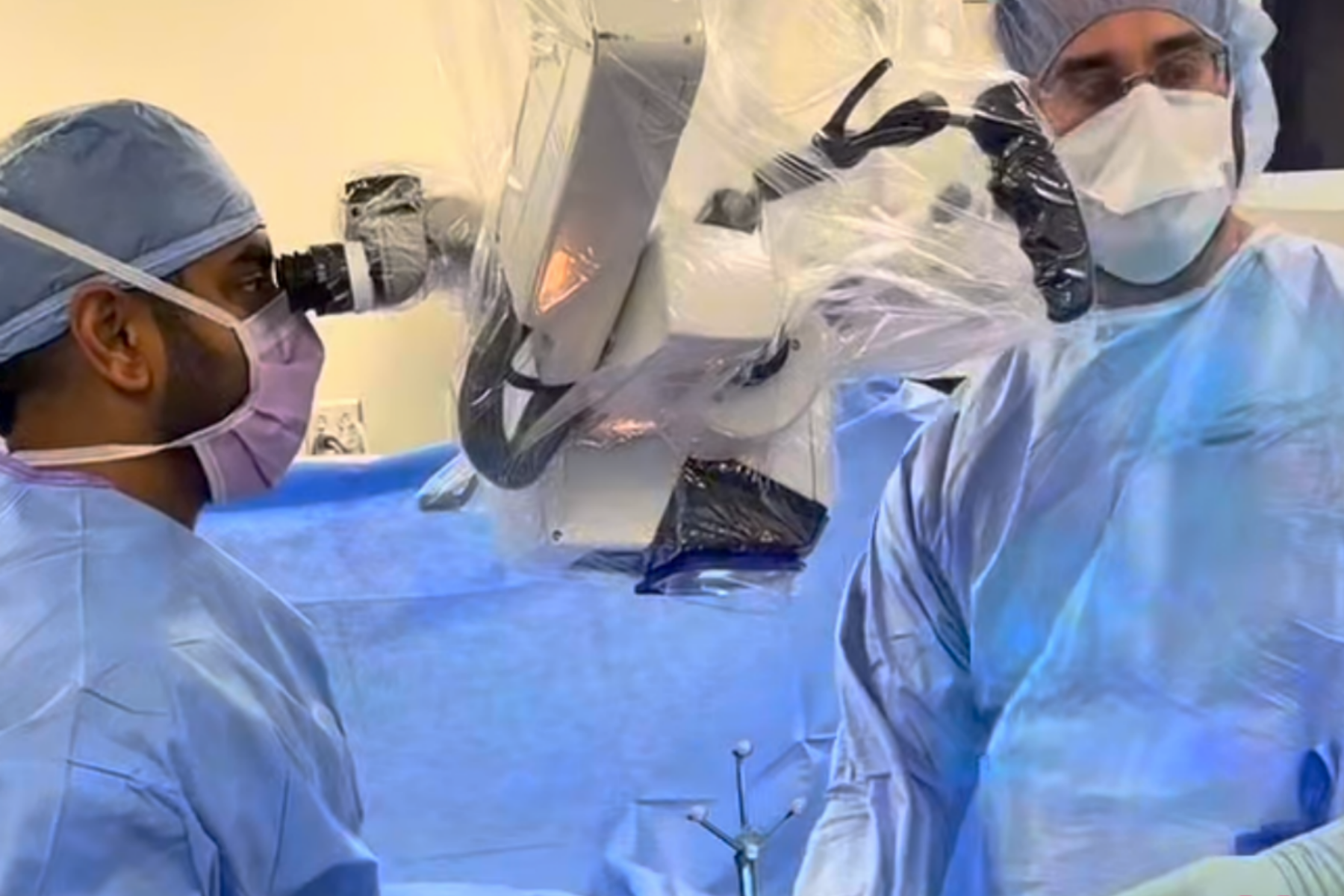
Modern pedicle screw techniques, combined with computer-assisted navigation and intraoperative imaging, allow precise implant placement even in rotated, deformed anatomy. Correction of 60–70% of the Cobb angle is routinely achievable in flexible curves. Patients typically spend 2–4 days in the hospital post-operatively.
Selective Fusion Strategy
One of the most important surgical decisions in adolescent idiopathic scoliosis is which levels to fuse. The goal is to correct the primary structural curve while leaving as many motion segments intact as possible. In double major curves, both curves may need to be included in the fusion. In single thoracic curves with a compensatory lumbar curve, selective thoracic fusion, leaving the lumbar spine mobile, is often achievable and produces excellent cosmetic and functional results.
The Lenke classification system, which categorizes AIS by curve pattern and flexibility, provides a framework for these surgical planning decisions.
Vertebral Body Tethering (VBT): A Motion-Preserving Alternative
Vertebral Body Tethering is a newer, FDA-approved procedure for carefully selected adolescent patients with significant growth remaining. Rather than fusing the spine, VBT involves placing screws through the front of the vertebrae (via a thoracoscopic approach through small chest incisions) and connecting them with a flexible cord. The tether applies compressive forces to the convex side of the curve, modulating growth and allowing the spine to gradually straighten as the patient grows, without fusion.
Because the treated levels retain motion, VBT preserves spinal flexibility and eliminates the long-term concern about adjacent segment degeneration associated with fusion. The ideal VBT candidate is a skeletally immature patient with a moderate to moderately large thoracic curve, sufficient growth potential for the tether to work, and a curve that is not excessively rigid.
VBT is not appropriate for every patient. Surgical selection is critical, and outcomes continue to be studied as the technique matures.
Growth-Friendly Surgery for Early Onset Scoliosis
Children under 10 with progressive scoliosis; whether idiopathic, neuromuscular, or syndromic, require a fundamentally different surgical approach. Spinal fusion in very young children stunts growth of the thorax and spine, leading to a condition called thoracic insufficiency syndrome, where the chest is too small to support normal lung development.
Growth-friendly implants allow controlled spinal growth while providing deformity correction:
- Magnetically Controlled Growing Rods (MAGEC/MCGR) – Growing rods attached to anchors above and below the curve and distracted non-invasively using an external magnet in the outpatient setting. This eliminates the need for repeated surgical lengthenings under anesthesia.
- Vertical Expandable Prosthetic Titanium Rib (VEPTR) – Used for patients with significant chest wall or rib abnormalities in addition to spinal deformity. Supports both spine and thorax growth.
- Shilla technique – A form of guided growth where the apex of the curve is fused for correction while gliding implants at the ends of the construct allow continued spinal length.
Growth-friendly surgery is followed by a planned definitive fusion procedure once the patient approaches skeletal maturity.
Hemivertebra Resection for Congenital Scoliosis
In congenital scoliosis caused by a hemivertebra, a wedge-shaped malformed vertebra – surgical removal of the offending vertebra (hemivertebra resection) can straighten the spine at that level and prevent progressive deformity. This procedure is typically performed posteriorly and may require short-segment fusion across the resected level. In experienced hands, hemivertebra resection has excellent outcomes, and early surgery in appropriate candidates can prevent more complex deformity.
Intraoperative Monitoring: Safety During Surgery
All scoliosis surgeries at experienced centers use multimodal intraoperative neuromonitoring, continuous real-time monitoring of spinal cord function through somatosensory evoked potentials (SSEP) and motor evoked potentials (MEP) throughout the procedure. Any significant change in monitoring signals prompts immediate action, adjustment of implants, blood pressure management, or a deliberate pause in correction. This technology has dramatically improved the safety profile of scoliosis surgery.
The Bottom Line
The right scoliosis surgery depends entirely on the patient; their age, skeletal maturity, curve type, curve magnitude, and overall health. Modern pediatric spine surgery offers a broader menu of options than ever before, from growth-friendly implants in toddlers to motion-preserving tethering in teenagers to precision posterior fusion in older adolescents. At subspecialty centers, outcomes are excellent and the majority of patients return to full activity within months.
Dr. Arun Ramaswamy Hariharan is a pediatric spine surgeon at the Paley Institute at St. Mary’s Medical Center in West Palm Beach, FL, specializing in adolescent idiopathic scoliosis, early onset scoliosis, and complex spinal deformity. To schedule a consultation, visit scolisurgeon.com.