Some of the most challenging conditions in pediatric orthopedics are those intertwined
with systemic or genetic disorders. In this post, we will discuss three such conditions –
Spinal Muscular Atrophy (SMA), Muscular Dystrophy (MD) (focusing on
Duchenne/Becker muscular dystrophy), and Osteogenesis Imperfecta (OI) – each of
which affects the musculoskeletal system in profound ways. While these conditions differ
(SMA and MD are neuromuscular disorders causing muscle weakness, and OI is a
genetic bone fragility disorder), they share common themes: the need for specialized
spine care, thoughtful orthopedic interventions, and comprehensive, long-term support
for the child’s mobility and health. Families dealing with SMA, MD, or OI often find
themselves on a rollercoaster of medical care – from managing the primary disease (like
medications for SMA or steroids for Duchenne MD) to addressing the orthopedic
complications (like scoliosis, fractures, or contractures). Our goal is to provide an
educational and empathetic overview of what to expect and how our pediatric orthopedic
team approaches these conditions. We emphasize careful patient selection for surgeries
(because these children may have higher risks) and highlight that with experienced,
specialized care, we can achieve successful outcomes that improve quality of life. We’ll
also talk about the concept of “it takes a village” – long-term support involving many
specialists, and how we coordinate that, often serving families through childhood into
adolescence as ongoing partners. Whether you are a parent seeking information or a
primary care provider looking for guidance, we hope this comprehensive discussion
sheds light on managing these rare diseases.
SMA and Muscular Dystrophy: Weak Muscles, Growing Spines
Spinal Muscular Atrophy (SMA) is a genetic neuromuscular condition where certain
motor neurons in the spinal cord degenerate, leading to muscle weakness and atrophy.
Depending on the type (Type 1 being the most severe in infants, up to Type 3 which is
milder), children may have profound muscle weakness – especially in the trunk and
limbs. Thanks to breakthroughs like gene therapy and drugs (e.g. Spinraza, Zolgensma),
many children with SMA are doing better than in the past, but they still often have
significant motor impairments. From an orthopedic perspective, one of the main issues in
SMA is scoliosis and spinal deformity. Indeed, scoliosis affects almost all patients with
SMA Types 1 and 2, and about half of those with Type 3. The reason is the muscles that
normally stabilize the spine are weak, so the spine tends to collapse into a curve over
time. This usually becomes evident as the child grows and tries to sit: a toddler with
SMA might develop a C-shaped curved spine when sitting unsupported. Scoliosis in
SMA is more than cosmetic; it can impair breathing because it collapses the chest and
can make seating in a wheelchair difficult due to imbalance. Often, the curve progresses
rapidly, especially in non-ambulatory children (those who cannot walk). Bracing is
sometimes used to slow scoliosis progression (e.g., a custom molded TLSO brace worn
when sitting), but braces alone typically cannot fully stop or correct the curve in the long
term – they mainly buy time until a child is big enough or medically stable enough for possible surgery. Physical therapy and specialized seating systems (wheelchairs with
good lateral supports) also help maintain alignment as long as possible.
In Muscular Dystrophy (MD), particularly Duchenne Muscular Dystrophy (DMD), the
scenario is somewhat similar regarding the spine. DMD is characterized by progressive
muscle weakness starting in early childhood (affecting boys, usually). With improved
care (particularly steroid medications and cardiac/respiratory support), boys with DMD
are walking longer and living longer than in decades past. Historically, once a boy with
DMD lost the ability to walk (typically around age 10-12 if not on steroids), within a
couple of years they would develop significant scoliosis – with reports of up to 90% of
patients (not on steroids) getting scoliosis within 2 years of full-time wheelchair use.
Steroids have reduced this incidence dramatically, often delaying or preventing scoliosis
by keeping the core muscles stronger for longer. Still, many teens with DMD do develop
some spinal curvature. Like SMA, the neuromuscular scoliosis in DMD can affect
comfort and respiratory function. Another orthopedic issue in DMD and SMA is
contractures (tight joints due to muscle imbalance) – e.g., ankles often get tight (equinus)
in DMD, and hips/knees can contract in SMA due to long sitting. While contractures are
not the primary focus here, they do require management with stretching, bracing (night
splints), or occasionally tendon release surgeries (like Achilles tendon lengthening in
DMD to allow the feet to rest flat). Managing contractures is important for positioning
(for instance, to sit properly in a wheelchair or to use standing devices).
Orthopedic Interventions: Timing and Types of Spine Surgery
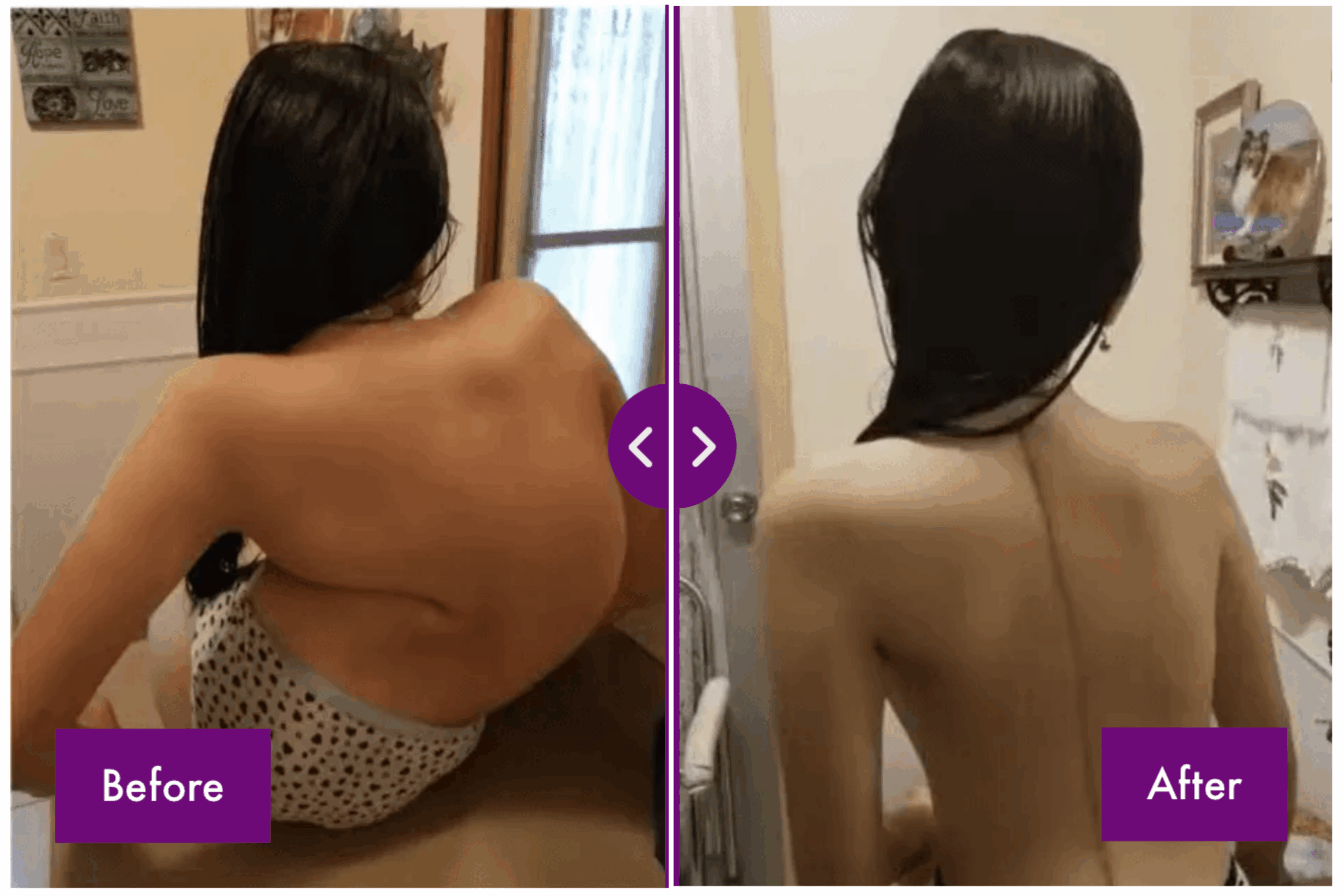
For children with SMA or DMD who develop severe scoliosis, surgical intervention is
considered. This is a big decision because these children often have coexisting medical
issues (for SMA: respiratory fragility, for DMD: cardiopulmonary concerns due to the
dystrophy affecting heart and breathing muscles). The goals of surgery are to straighten
and stabilize the spine, which can:
- Improve sitting balance (so the child doesn’t lean far to one side, which helps
prevent pressure sores and allows them to use their arms more easily if they’re not
contending with falling over). - Free up space for the lungs to function (kids and parents often notice it’s easier to
breathe and their respiratory metrics improve after a good scoliosis correction). - Reduce pain that can come from large curves or impinging ribs.
- Make caregiving (transfers, hygiene) easier with a stable, straighter trunk.
The typical surgical solution is a spinal fusion with instrumentation (rods, screws/hooks)
from the upper spine to the pelvis. In non-ambulatory neuromuscular patients, fusing to
the pelvis (sacrum) helps correct any pelvic tilt and gives a solid base for sitting. Studies
in DMD have shown that spinal fusion can improve quality and quantity of life for those
with significant scoliosis – likely by aiding pulmonary function and sitting comfort. In
fact, long-term survivors of DMD who had spinal fusion in their teens often report better
health stability than those who didn’t. However, not every child is automatically a
candidate. We use something akin to the “30–30 rule” for DMD: if the Cobb angle (curve
severity) is >30° and the Forced Vital Capacity (FVC, a measure of lung function) is >30%
of predicted, then scoliosis surgery is generally recommended. It’s noted that with
modern non-invasive ventilation (like BiPAP support), some centers have safely done
spinal fusions with FVC as low as 20%. Each case is evaluated individually, balancing
the risks of surgery (anesthesia and potential complications in a medically fragile child)
against the risks of not doing it (worsening curve leading to even more impairment). The
timing is usually when the curve is clearly progressing past that ~30° mark and the child
still has moderate pulmonary reserve and before they get too old (surgery in late
teens/early 20s is harder if heart and lung function decline further). For SMA type 2 (non-
sitters who live into childhood) and type 3 (walkers, milder), similar concepts apply: if a
child with SMA has a big curve that interferes with seating or breathing, we consider
spine surgery often between ages 8-12, depending on progression. What about younger
children with SMA type 1 (who now, with therapy, are living longer)? In very small kids,
a full fusion is problematic because it stunts growth of the thorax. In those cases, we
might use growing rods or VEPTR (vertical expandable prosthetic titanium ribs) to
control the curve while allowing growth. These devices require periodic lengthening as
the child grows. The situation is evolving as more SMA infants survive into later
childhood with new treatments.
Hip Surgery:
In SMA, the hips often don’t have normal muscle pull, and dislocations can happen
(especially in type 2 SMA, where about 30% may have hip dislocation). If the child isn’t
walking, dislocated hips often don’t bother them and may be left alone unless they cause
pain or complicate care. However, if a hip dislocation causes a pelvic obliquity
contributing to scoliosis or makes sitting asymmetric, surgical reconstruction might be
considered. In SMA patients who can walk (like some type 3), maintaining hip alignment
is more crucial. In DMD, hips are usually fine until late contractures; hip dislocation isn’t
common early on.
Extremity and Contracture Surgeries:
As noted, Achilles tendon releases or tibialis posterior transfers can improve foot position
in DMD for bracing. In SMA, knee or hip releases might help with hygiene (straightening
a knee that’s stuck bent, etc.). These interventions are supportive but the spine often
remains the centerpiece because of its large impact on health. One must acknowledge that
surgery in SMA/DMD has higher risks than in typical kids. For example, scoliosis fusion
in SMA has higher rates of complications like blood loss, infections, or even rare
neurological complications. In DMD, the combination of a weak heart and breathing
muscles means careful anesthesia planning (sometimes giving steroids or ensuring
cardiology clearance, using non-invasive ventilation support post-op, etc.). That’s why
we strongly advocate these surgeries be done in experienced centers (like Certified
Duchenne Care Centers, for DMD). In such settings, success rates are high and
complications manageable. In fact, surgical teams have refined techniques (minimizing
time under anesthesia, using cell saver for blood, invasive monitoring for cardiac status,
etc.) that make it as safe as it can be. Families often travel (medical tourism) to get to
these specialized centers because they feel more secure where there is a depth of experience.
Long-Term Support and Multidisciplinary Care
Whether we perform surgery or not, children with SMA or DMD need lifelong
orthopedic and rehabilitative support:
- Regular Monitoring: We do routine spine X-rays (frequency depends on
severity: maybe annually if mild, every 6 months if a curve is >20° and they’re
growing). - Bracing and Equipment: As mentioned, braces for spine or limbs can help.
Also, wheelchair modifications – like custom molded seats to accommodate a
scoliosis until fixed, or tilt-in-space features for pressure relief. - Therapy: Physical therapy in neuromuscular disease focuses on maintaining
flexibility (range of motion exercises to prevent contractures) and optimizing
whatever muscle strength exists. Water therapy is great as it allows movement
with less gravity. Even after spinal fusion, PT helps regain sitting balance (albeit
the fused spine doesn’t move, but they learn to adjust with hips). - Pulmonary care: While not in the orthopedist’s direct domain, we work hand-in-
hand with pulmonologists. For instance, before and after spinal surgery,
respiratory therapists help with coughing techniques, breath stacking, etc. Post-
fusion, many DMD patients have observed slower decline in pulmonary function
because the spine is straight (some studies suggest it stabilizes FVC loss). - Care Coordination: These children often have multiple specialists – neurology,
cardiology, pulmonology, rehab, nutrition, orthopedics. Our clinic often helps
coordinate the orthopedic side with the rest. In pre-op planning for, say, a
Duchenne patient, we may hold a meeting with pulmonology and anesthesia to
map out how to manage ventilation, or with cardiology to discuss medications
around surgery. - Family Education: We educate families on signs to watch (e.g., in DMD, to
prolong walking, use ankle braces at night and standers; in SMA, how to position
the child to minimize contractures). We discuss energy conservation – as muscles
weaken, using lightweight braces or assisted devices (like a power wheelchair
sooner vs. later) can reduce fatigue and actually keep kids active in school and
social life longer. Some families are hesitant about wheelchairs or standers
initially, but once they see the child’s comfort and participation improve, they’re
on board. - Second Opinions: We frequently provide second opinions for families of DMD
or SMA regarding if/when to do spine surgery or other interventions. Because
these are rare diseases, not every orthopedic surgeon sees enough cases to be
comfortable with the nuances. A second opinion at a specialized center (like ours)
is highly valuable to ensure the timing is right and all precautions in place. We
also get referrals from other countries; families will travel (medical tourism) to
have complex procedures like spinal fusion for DMD done by teams known for it.
We respect how big of a decision this is and spend a lot of time counseling on
expectations and outcomes.
Osteogenesis Imperfecta (OI): Brittle Bones and Spine Care
Switching gears, Osteogenesis Imperfecta (OI) – also known as “brittle bone disease” – is
a genetic disorder where collagen (a key protein in bone) is abnormal, leading to fragile
bones that fracture easily. Children with OI can have a range of severity: some have only
a few fractures in their lifetime, others have hundreds and also short stature, bone
deformities, and even respiratory issues from chest deformities. Orthopedic care is at the
forefront of OI management, addressing fractures, deformities, and spine issues.
Fragility Fractures: Babies with severe OI might break bones even in the womb or
during birth. Through childhood, normal activities can cause fractures – a bump, a fall,
even changing a diaper can break a bone in severe cases. The orthopedic approach is to
stabilize fractures (often with casting or splinting, but frequently we opt for surgical
stabilization with rods once the child is big enough, to prevent repeat breaks). For
instance, intramedullary rod fixation of the long bones is common: placing flexible rods
inside the femur, tibia, etc., to reinforce them. This not only treats fractures but also
prevents future ones by providing support. Modern “growing rods” (telescopic rods) can
expand as the child grows, reducing the number of surgeries needed to upgrade rods.
Bone Deformities: Because of repeated fractures or the soft bone, children with OI often
develop deformities such as bowed legs/arms. Correcting these deformities improves
function and decreases pain. We use osteotomies to cut bones and then straighten them,
usually combined with rod insertion to maintain alignment. For example, a child with a
very bowed femur who can’t stand well might get a femoral osteotomy and rod;
afterward, their leg is straighter and stronger, aiding in standing/walking.
Spine in OI: The spine is not spared. About 50-60% of children with OI develop spinal
deformities, most commonly scoliosis in the thoracic spine. They may also have kyphosis
or a combination (kyphoscoliosis). The vertebrae in OI can be wedge-shaped from
compressions (like mini compression fractures over time). Additionally, the ligaments
might be lax, so the spine can curve. In severe OI (Type III), the scoliosis can be early-
onset and progressive. Bracing for scoliosis in OI has limited effectiveness – OI bones
are soft and the curves can be stiff. Often, bracing can help support sitting but doesn’t
necessarily stop progression. Once a curve is beyond ~40-50° and the child is of
sufficient age (and ideally has had some benefit from medical therapy like
bisphosphonates to strengthen bones), we consider surgical treatment.
Spinal Fusion in OI: Operating on an OI spine is delicate. The bones are soft, so screws
may not hold well; surgeons often use special techniques like smaller screws with cement
augmentation to secure them. Despite the challenges, results can be good: studies have
shown spinal fusion in OI can maintain correction long-term, although complication rates
are higher (rods can break if bone doesn’t fuse well, etc.). One must also address basilar
invagination (settling of the skull base onto the spine) that can occur in some OI patients –
that’s a neurosurgical issue but with orthopedic involvement if occipito-cervical fusion
is needed to stabilize the neck.
Medical Management: A big difference in OI compared to SMA/DMD is the presence
of effective medical treatments that augment orthopedic care. Bisphosphonates (like
pamidronate or zoledronic acid) are medications that strengthen bone by reducing
turnover. When given to children with moderate to severe OI, these drugs have been
shown to increase bone density, reduce fracture rates, and decrease bone pain. We
typically coordinate with endocrinologists or metabolic bone specialists to ensure our OI
patients are on a bisphosphonate protocol if indicated. Often, children get infusions every
few months and the changes are dramatic: some kids who were fracturing monthly pre-
treatment go to maybe one fracture a year or less on treatment. This, of course, aids our
surgical outcomes too – better bone means our fusions and rods hold better. We usually
like to give a few cycles of bisphosphonate before a major surgery if possible to
maximize bone strength.
Long-Term Support in OI: The orthopedic journey in OI is long-term and evolving:
- Fracture management: Over time, families become adept at recognizing
fractures and we train them in having splint materials at home, etc., for initial
care. They have fast access to our fracture clinic. As kids get older, fracture
frequency often lessens after rodding and bisphosphonates. - Mobility aids: Many OI kids, especially moderate types, can walk, though maybe
with orthotics or crutches to protect from falls. Some use wheelchairs for longer
distances or during recovery periods. We encourage weight-bearing as tolerated
because it builds strength but caution on high-impact or risky activities.
Swimming and aquatic therapy are great for OI, providing exercise with low
fracture risk. - Monitoring: We do yearly spine X-rays during growth or sooner if there are
signs of curve progression. We also monitor leg length (sometimes repeated
fractures cause limb length differences which might need shoe lifts). - Pain management and physical therapy: Chronic pain can be an issue from
multiple fractures or spine issues. Our team includes pain management when
needed, though bisphosphonates also help reduce bone pain. PT in OI focuses on
gentle strengthening and maximizing balance (to prevent falls). - Psychosocial support: Frequent injuries and activity limitations can be tough
emotionally. We work with families to ensure children aren’t overly restricted (we
want them to enjoy life, with reasonable safety measures). We also emphasize that
most OI kids, especially with modern care, can lead full lives – attend school,
have a career, etc. They may need to avoid certain contact sports, but they find
other passions. One of our OI patients became a competitive swimmer; another, a
musician.
Coordination of Care: Like the others, OI care is multidisciplinary. Geneticists or OI
specialists guide overall management. Orthopedics handles the surgical aspects.
Endocrinology or metabolic bone experts manage bisphosphonates. Rehab medicine and
PT for function. Dentists and ENT for hearing (OI can cause hearing loss in teen/adult
years). It’s a lot, and we often act as a central hub because orthopedic issues tend to be
the most frequent day-to-day concern in childhood.
Families sometimes seek second opinions for OI as well, particularly for decisions like
“Should we rod this bone?” or “Do we proceed with spine surgery now or wait?” Our
specialized clinic sees many OI patients and we collaborate with institutions like the
Osteogenesis Imperfecta Foundation (OIF) and others to stay at cutting edge. If a family
from afar consults us (medical tourism for OI is common, as not many centers have
extensive experience), we try to accommodate scheduling multiple surgeries in a single
trip if feasible, or coordinate with their home physicians for follow-up. We also
emphasize the importance of a center with anesthesia experience in OI (e.g., careful
positioning during surgery because OI bones can fracture during anesthesia if not gentle).
Emphasizing Experience and Careful Approach
Across SMA, DMD, and OI, one thread is the importance of specialized care. These are
not conditions that a general orthopedist sees often. Inexperienced management can lead
to suboptimal outcomes (for instance, using the wrong surgical technique in OI might
fail, or poor perioperative planning in DMD could have serious complications). Our
practice has a dedicated Neuromuscular Orthopedics and Metabolic Bone team that
focuses on these rare conditions. We practice evidence-based medicine – for example,
knowing that in DMD, scoliosis surgery improves survival, we counsel families
accordingly with data in hand. We also know where evidence is scant and careful
judgment is needed.
Patient selection for any surgery in these conditions is careful:
- We assess overall health (would anesthesia be too risky? Do we need to do a
smaller surgery now vs a big one later?). - We consider life expectancy and quality (especially historically for DMD, but
now they live longer – still, we weigh doing a big fusion in someone who might
have limited years vs the benefit it will bring). - We ensure families are fully informed of pros and cons. We always obtain input
from all relevant specialties – e.g., for an SMA type 1 toddler, is the
pulmonologist comfortable with a spine surgery or should we delay with a
VEPTR approach until they’re bigger?
We also take pride in the warm, supportive tone of our care. These diagnoses can feel
heavy – hearing “muscular dystrophy” or “brittle bone disease” attaches a lot of worry and
uncertainty. We position ourselves as allies to the family. We celebrate successes: perhaps
an SMA child sits independently for the first time after spinal surgery, or an OI teen makes
it a whole school year with no fractures thanks to rods – these are big wins.
We also empathize with the challenges: we know parents of a DMD boy might grieve
each skill he loses; we know an OI parent is anxious every time their child goes to the
playground. Our job is to provide not just technical fixes, but emotional reassurance and
practical strategies.
Conclusion: Rare Diseases, Specialized Care, and Hope for the Future
In summary, SMA, Muscular Dystrophy, and Osteogenesis Imperfecta are three
distinct rare conditions that all demand careful, specialized orthopedic care and long-term
support:
- In SMA and MD, weak muscles lead to spinal deformities and contractures – we
address these with things like spinal surgery (fusion or growing constructs) when
appropriate, and supportive measures like bracing and therapy. We coordinate
with neurology and pulmonology to ensure safety and success, knowing that
interventions like scoliosis surgery can significantly improve life quality and even
longevity. - In OI, fragile bones cause fractures and deformities – we utilize rodding surgeries,
bracing, and medical treatments (bisphosphonates) to strengthen the skeleton,
enabling children to sit, stand, and even walk with far fewer fractures - Spinal issues in OI are tackled with surgical skill and caution, aiming to prevent
severe curves from compromising breathing - All three conditions require a lifetime of follow-up. Our clinic often sees these
patients from infancy until they transition to adult care. We form deep bonds with
families, guiding them through different stages: early childhood interventions,
puberty (which can be a tough time as curves might worsen or abilities change),
and planning for adult life (wheelchair transitions, vocational adaptations, etc.).
We emphasize the value of seeking out specialized centers (including second opinions
and medical travel if needed) because rare diseases benefit from concentrated expertise.
Just as you’d see a cardiologist for a heart issue, a child with OI or SMA should see an
orthopedic team familiar with rare pediatric conditions. We are proud to be such a
resource, and we continuously update our practices with the latest research (for example,
the impact of new SMA medications on orthopedic outcomes – an evolving field).
Finally, we approach every child with the mindset that successful outcomes are
possible. “Successful outcome” may mean different things for different diagnoses – it
could be walking independently, or it could be simply sitting comfortably and being pain-
free – but in all cases, success means maximizing the child’s health and function while
minimizing pain and complications. With careful patient selection for any procedures and
a holistic, compassionate approach, we’ve seen tremendous successes: boys with
Duchenne living into their 30s with fused straight spines and active minds, children with
SMA type 2 who, thanks to modern treatments plus orthopedic care, can propel themselves
in a wheelchair and engage with peers, and kids with OI who once broke bones monthly
now going a year or more without fracture and playing sports like swimming or adaptive soccer.
We also give families hope grounded in realism. We don’t sugarcoat that challenges will
come – maybe more surgeries down the line, adjustments to new equipment, etc. – but we
walk that path with them. The journey is long, but they are not alone; our team, and the
broader community of specialists, are with them every step. By optimizing spine care,
orthopedic interventions, and long-term support, our aim is to help each child – whether
dealing with weak muscles or brittle bones – to have the best life possible: a life where
they can participate, learn, laugh, and love, defined not solely by their diagnosis, but by
their individual strengths and the support surrounding them.