A scoliosis diagnosis doesn’t always mean a brace or surgery is coming. For many children, particularly those with small curves and limited remaining growth, careful observation, targeted exercise, and lifestyle strategies are the primary management tools. Here’s what non-surgical management actually looks like in practice.
When Is Observation the Right Plan?
Observation, also called watchful waiting, is appropriate for curves under approximately 20–25 degrees in patients who are approaching or have reached skeletal maturity, and for curves under 20 degrees in actively growing patients whose curves are considered low-risk for progression.
Observation does not mean doing nothing. It means scheduled follow-up with a spine specialist at regular intervals, typically every 4–6 months during active growth and annually after skeletal maturity, with standing spine X-rays to track curve behavior over time. The goal is to identify any progression early enough to intervene before the window for bracing closes.
Physical Therapy for Scoliosis
Physical therapy is not a cure for scoliosis, but it plays a meaningful role in a comprehensive non-surgical management plan. The most evidence-based approach is scoliosis-specific exercise, formalized programs developed specifically for the scoliotic spine, the most well-studied of which is the Schroth method.
Schroth therapy involves three-dimensional exercises designed to:
- Improve postural awareness and body schema
- Strengthen the trunk musculature asymmetrically to resist curve progression
- Improve breathing mechanics (often compromised by rib cage deformity in larger curves)
- Complement brace treatment by improving in-brace correction and overall brace tolerance
The evidence for Schroth shows modest improvements in Cobb angle and quality of life, and it appears most effective as an adjunct to bracing rather than as a standalone treatment for moderate curves. That said, for mild curves in patients for whom bracing is not yet indicated, Schroth-based therapy is a reasonable and evidence-informed option.
Core Strengthening
A strong core; abdominals, paraspinals, hip flexors, and gluteal muscles, provides better spinal support and helps maintain posture throughout the day. While core strengthening does not reverse scoliosis, it can reduce fatigue, improve functional capacity, and contribute to overall spine health.
Recommended activities include swimming (excellent full-body core activation), Pilates (core-focused, low-impact, adaptable), yoga (flexibility and body awareness, with some caveats for specific poses), and general strengthening programs supervised by a physical therapist familiar with spinal deformity.
What About Chiropractic Care?
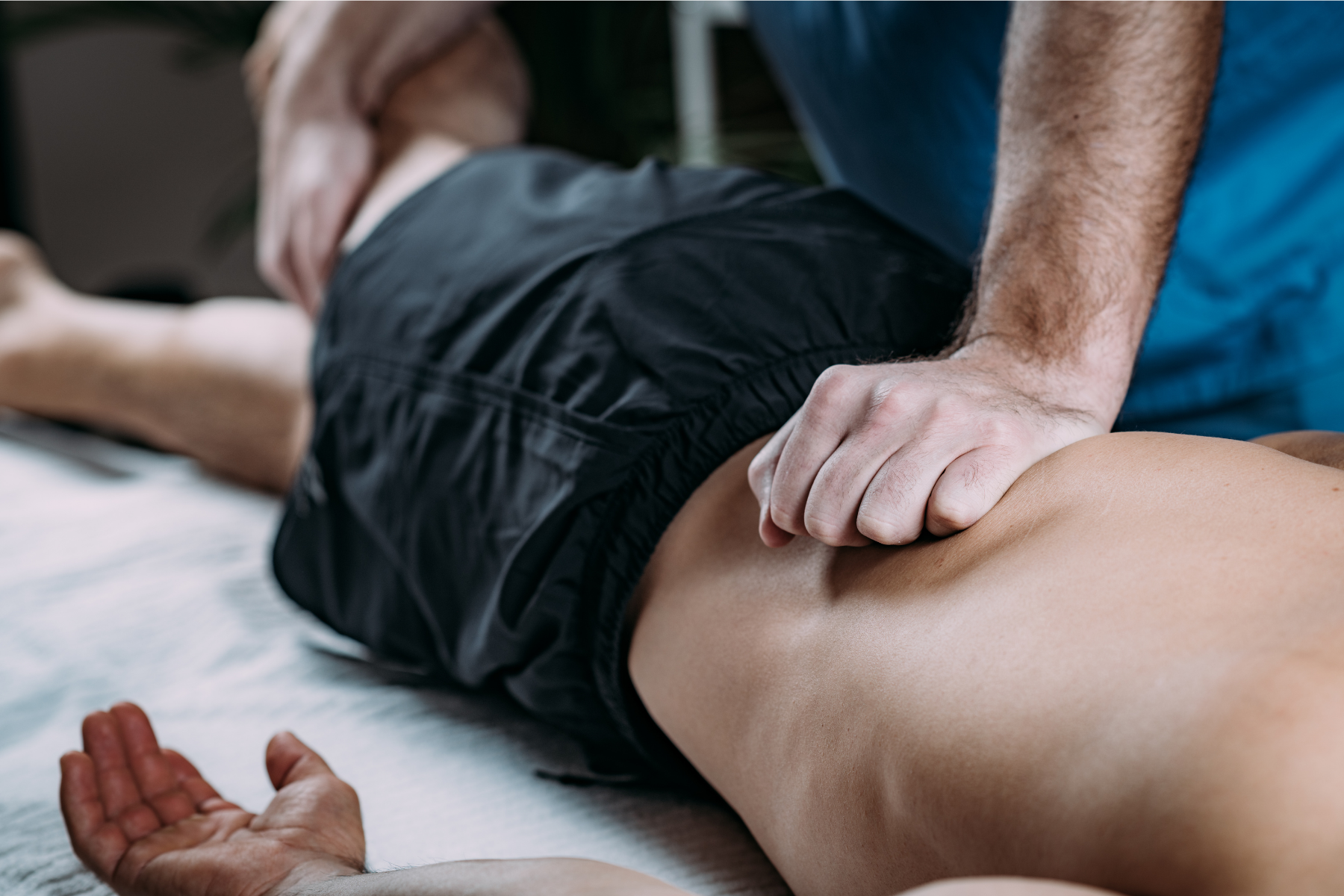
Chiropractic manipulation has not been demonstrated to reduce scoliosis curves in peer-reviewed clinical research. It can be appropriate for managing associated back discomfort, but it should not be pursued as a primary treatment for scoliosis curve control, and high-velocity manipulation is not recommended in patients with undiagnosed intraspinal pathology. Always ensure any chiropractor treating a child with scoliosis is aware of the diagnosis and working within the framework established by the spine surgeon.
Managing Back Discomfort
While most children with mild scoliosis don’t experience significant pain, some do have periodic back discomfort, particularly after prolonged sitting or athletic activity. Practical management strategies include:
- Anti-inflammatory medications (ibuprofen or naproxen) used sparingly and appropriately for acute discomfort
- Heat or cold application for muscle soreness
- Activity modification – taking breaks from prolonged sitting, optimizing ergonomics at school
- Targeted physical therapy for any associated muscle imbalance or tightness
Nutrition and Bone Health
Adequate calcium and vitamin D intake supports skeletal health and may have a role in scoliosis management. Some research has identified lower bone density in adolescent idiopathic scoliosis patients, though the relationship is not fully understood. Ensuring adequate dietary intake (or supplementation, if needed) is a simple and safe intervention for all adolescent patients with spine conditions.
The Bottom Line
Mild scoliosis managed with observation and targeted exercise does well for the vast majority of patients. The critical element is consistent monitoring, curves in growing children can behave unpredictably, and the goal of every surveillance visit is to catch any change before it becomes harder to manage. If you’ve been told your child has mild scoliosis and just needs to be watched, that’s good news, but it’s not a reason to stop following up.
Dr. Arun Ramaswamy Hariharan is a pediatric spine surgeon at the Paley Institute at St. Mary’s Medical Center in West Palm Beach, FL, specializing in adolescent idiopathic scoliosis, early onset scoliosis, and complex spinal deformity. To schedule a consultation, visit scolisurgeon.com.